
Never Lose a Coin Again with This Secure Crypto Wallet
Imagine losing access to your hard‑earned cryptocurrency forever, a thought so terrifying that even veteran investors shudder. Welcome to the world where losing your coins means losing private keys or falling for phishing scams. That’s why having a Secure Crypto Wallet isn’t just wise, it’s essential.
In the buzzing boom of crypto in 2025, with DeFi, Web3, NFTs, and global crypto adoption accelerating, hackers, rug pulls, and wallet vulnerabilities have grown too. Whether you’re watching crypto scores on Global Crypto Sports or trading the latest altcoins, safeguarding your assets should be your top priority.
In this guide, we’ll walk you through everything you need to confidently use and manage a Secure Crypto Wallet, from understanding wallet types (cold, hot, hardware, mobile) to actionable advice, real‑world stories, and answers to frequently asked questions. Get ready to secure your crypto like a pro and never lose a coin again.
What Is a Secure Crypto Wallet and Why It Matters Now
A Secure Crypto Wallet is a tool (hardware device or software) that stores your cryptographic keys, those magical strings that allow you to access, send, and receive your digital assets. Unlike online exchanges, wallets give you full control of your funds, and with control comes responsibility.
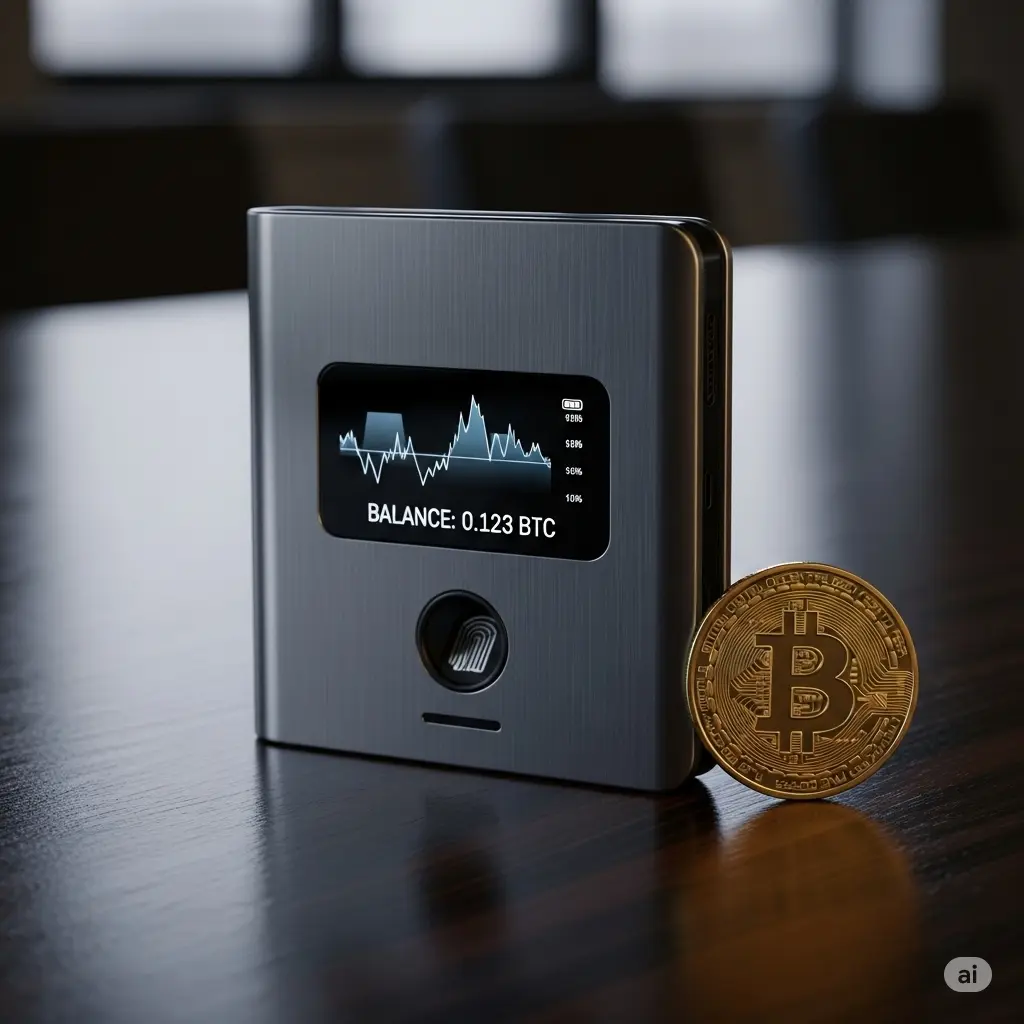
Why it’s crucial right now:
- Surging Crypto Adoption: As mainstream platforms embrace DeFi, Web3 innovations, and digital currencies, more users are joining the ecosystem, often unprepared for security challenges.
- Rising Threat Landscape: Phishing, SIM-swapping, malware, and exchange hacks remain real and evolving threats.
- Decentralization Power: True decentralized wallets give you custody, no middleman, so you must be diligent about backups and recovery.
- Crypto Safety Awareness: 2025 is seeing heightened focus on cryptographic safety. Whether you follow crypto news on Global Crypto Sports or manage NFTs, the right wallet makes all the difference.
Key Crypto Terms You Should Know
Before diving deeper, let’s define some keywords that will make the rest of this guide clearer and help with search engine rankings:
- Blockchain
A tamper‑proof, distributed ledger that records all crypto transactions. It ensures transparency and immutability. - DeFi (Decentralized Finance)
Financial services like lending, borrowing, staking operating without centralized authorities, powered by smart contracts. - Web3
The next internet evolution: decentralized apps (dApps), on‑chain identity, tokenized assets empowering users, not corporations. - Private Key vs Public Key
Public key is like your bank account number, safe to share. Private key is your secret PIN; keep it secure at all costs. - Custodial vs Non‑Custodial Wallet
Custodial wallets hold your keys for you (like an exchange). Non‑custodial wallets (like hardware or mobile wallets) let you control your keys and your coins.
Exploring Wallet Types: Cold, Hot, Hardware & Mobile Wallets
Let’s break down the main wallet categories with definitions, pros, cons, and ideal use cases.
Cold Wallet (Offline Storage)
What it is: A wallet stored on a device or paper, completely disconnected from the internet.
Examples:
- Paper wallets: Print or write down your keys on paper or metal.
- Air‑gapped USB drives: Devices that never connect online.
Pros:
- Maximum protection from remote hacks.
- Ideal for long‑term cold storage.
- No software vulnerabilities.
Cons:
- Vulnerable to physical damage, theft, loss.
- Fiddly for frequent access.
- Risky if not backed up properly.
Best for: HODLers storing large sums offline.
Hot Wallet (Online or Software Wallet)
What it is: A wallet connected to the internet, either a desktop, a browser extension, or a mobile app.
Examples:
- MetaMask, Trust Wallet, Coinbase Wallet.
Pros:
- Super convenient for trading, DeFi, and Web3 dApps.
- Quick access, user‑friendly interfaces.
Cons:
- Exposed to malware, phishing, and exchange vulnerabilities.
- Lower security target for attackers.
Best for: Everyday crypto use, small amounts, DeFi interactions.
Hardware Wallet (Physical Device)
What it is: A dedicated device (like a USB key) that securely stores private keys offline, signing transactions only when connected.
Examples:
- Ledger Nano X, Trezor Model T.
Pros:
- Strong security private keys stay offline.
- User‑friendly with integrated software.
- Supports many assets, good for nuanced portfolios.
Cons:
- Initial cost (typically $60–$200).
- If lost or damaged and no backup is available, funds are gone.
Best for: Users wanting high security without sacrificing usability.
Mobile Wallet
What it is: A wallet installed on your smartphone; it connects to networks via the internet.
Examples:
- Trust Wallet, Exodus mobile.
Pros:
- Portable, convenient, and integrates with QR and DeFi apps.
- Often includes built‑in marketplaces and NFT support.
Cons:
- Mobile security vulnerabilities (malware, compromised OS).
- Risk of losing all funds if the phone is lost and the backup is missing.
Best for: On‑the‑go crypto users, small amounts for regular use.
Real‑World Example: Don’t Be That Person
Case Study 1: Lost in a Fire
Alice stored her private key on a scrap of paper in her apartment. A kitchen fire destroyed it. No backup means her $50K worth of crypto vanished forever.
Lesson: Without a secure backup (preferably offline and geographically separate), even “cold” solutions can fail.
Case Study 2: Phished on a Hot Wallet
Bob installed a “wallet” extension advertised via social media. He connected it to his DeFi account, saw attractive yields but it was malicious. His tokens drained instantly.
Lesson: Hot wallets are convenient, but always verify official sources and use hardware‑verified software.
Case Study 3: Hardware Wallet Saves the Day
Carol uses a hardware wallet (e.g., Ledger) for her main holdings and a hot wallet for DeFi. When a phishing email hit her hot wallet, she only lost $50. Her majority remains safe in her hardware device.
Lesson: Hybrid strategy hardware for long‑term storage, hot for active use provides a balance between security and convenience.

Benefits, Pros & Cons of Secure Crypto Wallets
| Wallet Type | Benefits | Risks / Cons |
|---|---|---|
| Cold Wallet | Superior offline security; immune to online threats | Physical loss, damage; inconvenient for frequent transactions |
| Hot Wallet | Fast access, ideal for DeFi and Web3; great UX | Online vulnerabilities, phishing, malware risks |
| Hardware Wallet | High security with usability; private keys never touch the internet | Purchase cost, backup responsibilities, potential physical damage |
| Mobile Wallet | Ultra‑convenient, portable, integrates with NFT & DeFi apps | Purchase cost, backup responsibilities, and potential physical damage |
Actionable Advice for Beginners & Intermediate Investors
1. Choose Your Ideal Setup
- Beginners: Start with a trusted hardware wallet for security + a reputable hot wallet (official app or browser) for small trades.
- Intermediate users: Consider a multi‑signature setup or enhanced cold wallet backups.
2. Always Back Up Your Wallet
- Use the phrase backup (seed phrase) written on a fire‑proof metal backup and store in multiple safe, geographically separate places.
- Never store this phrase in plain text or on cloud storage!
3. Keep Software Up‑to‑Date
- Whether it’s wallet firmware or mobile wallet apps, always install updates. Many upgrades patch potential crypto wallet security flaws.
4. Use Strong Passphrases and PINs
- Hardware wallets allow passphrases to add an extra “password layer” atop the seed phrase.
- Always use a strong, unique PIN or passphrase.
5. Be Wary of Phishing
- Bookmark official wallet URLs. Avoid clicking wallet-related links from emails or social media.
- Double-check site authenticity, look for HTTPS and correct domain names.
6. Test Recovery in Advance
- Set up your backup phrase and then do a test recovery, rebuild the wallet from your backup to verify it works.
7. Use Multi-Factor Authentication (MFA) for Companion Services
- If your hot wallet is linked to a service (like mobile, exchange bridging), use MFA auth apps preferred over SMS.
8. Spread Assets for Risk Management
- House larger holdings in cold storage.
- Keep only small, active amounts in hot wallets for trading or DeFi.
9. Learn About Decentralized Wallets & Web3 Security
- Understand wallet permissions only connect to dApps you trust.
- Always read what a dApp is asking for before approving access to your tokens.
10. Use Reputable Hardware Wallets
- Stick with known brands (e.g., Ledger, Trezor) avoid third‑party or counterfeit hardware wallets.
Frequently Asked Questions (FAQ)
1. What is the most secure crypto wallet in 2025?
While no single wallet is perfect, hardware wallets are considered the best crypto wallet 2025 for long-term, large-scale storage thanks to their offline private key protection and frequent firmware updates.
2. What’s the difference between a cold wallet and a hot wallet?
A cold wallet is offline like hardware devices or paper wallets making it safer from hacking but less convenient. A hot wallet connects online (mobile, browser) and is easy to use for active trading, but is more vulnerable.
3. Is a mobile wallet safe for everyday use?
Yes when used cautiously. Keep only small amounts, use strong device security (PIN, biometrics), backup your seed phrase, and avoid shady links or apps. This balances practicality with security.
4. How can I ensure my wallet backup truly works?
Simply write down your seed phrase or store it on a verified offline medium and perform a test recovery to restore the wallet on a separate device to confirm it works properly.
5. What are the biggest risks with decentralized wallets and how can I avoid them?
Risks include phishing, malicious dApps, and human error. Mitigate by:
- Verifying wallet links and dApp domains.
- Restricting approvals to only what’s necessary.
- Using hardware wallets to sign transactions securely.
6. Should I store my crypto on an exchange instead of a wallet?
Exchanges offer convenience but are custodial meaning you don’t control your keys. Use them only for trading. For long‑term safety, move assets to non‑custodial wallets you control.
7. How often should I update my hardware wallet firmware?
Whenever your wallet provider releases a new version, especially if it includes security patches. Before updating, ensure you have your backup phrase securely stored in case of data reset.
Conclusion
Your crypto journey from trading to HODL deserves rock-solid protection. With rising DeFi use, Web3 integration, and new blockchains emerging, the threats evolve too. But with a Secure Crypto Wallet especially using a layered setup of hardware, hot, mobile, and cold wallets you can confidently say: You’ll never lose a coin again.
Key takeaways:
- Choose the right wallet types for your risk level.
- Always back up and test your wallet recovery.
- Keep software updated, and stay alert against phishing.
- Distribute holdings wisely between cold and hot storage.
About The Author
