
The world of travel is undergoing a radical transformation as we move through 2026, blending high-tech convenience with a deep, soulful return to nature. At Way Fare Weekly, we believe that the modern traveler deserves more than just a checklist of famous landmarks; they deserve a roadmap to authentic connection. This guide is your ultimate companion for navigating the changing tides of global tourism.

The Rise of Intentionalism in Modern Tourism
As we embrace the mid-2020s, the concept of the fast-paced, social-media-driven vacation is rapidly losing its appeal. Travelers are now prioritizing intentionalism, a movement that focuses on the quality of experiences rather than the quantity of destinations visited. This shift means people are staying longer in a single location, immersing themselves in the local culture, and contributing to the local economy in meaningful ways. This trend is not just about relaxation; it is about a fundamental shift in how we perceive our place in the global community. At Way Fare Weekly, we have observed that this slow travel movement is directly linked to an increase in traveler satisfaction and a significant decrease in the environmental footprint associated with frequent short-haul flights.
Intentional travel requires a mindset shift from being a consumer of sights to a participant in a culture. This involves choosing accommodations that are locally owned, eating at family-run establishments, and engaging in activities that support community preservation. The rewards for this approach are immense, offering a level of depth and personal growth that a standard tourist itinerary simply cannot provide. Way Fare Weekly has seen a surge in demand for long-form travel experiences, where individuals spend weeks or even months in a single region, truly learning the language, the customs, and the hidden rhythms of the land.
Embracing Cultural Immersion with Way Fare Weekly
True immersion requires leaving the comfort of your hotel and stepping into the local rhythm. Way Fare Weekly recommends staying in residential neighborhoods rather than tourist centers to truly understand the local heartbeat. This practice supports local infrastructure and provides a more authentic perspective on daily life. By living like a local, even for a week, you gain insights that no guidebook can provide.
Supporting Local Economies via Way Fare Weekly
Every dollar spent is a vote for the kind of world you want to live in. Way Fare Weekly encourages travelers to seek out local artisans and markets, ensuring that the economic benefits of tourism reach those who maintain the culture. This intentional spending preserves heritage and prevents the homogenization of global destinations.
Sustainable Travel and the Eco-Conscious Voyager
Sustainability is no longer a niche category in the travel industry; it has become the gold standard for every reputable operator and savvy traveler. In 2026, regenerative tourism has overtaken simple sustainability. While sustainability aims to minimize harm, regenerative tourism focuses on leaving a destination better than you found it. This might involve participating in local reforestation projects, supporting wildlife conservation efforts, or choosing travel providers that invest a portion of their profits back into social infrastructure. Way Fare Weekly advocates for this proactive approach, as it ensures that the world’s most beautiful and fragile places remain intact for future generations of explorers.
The most significant warning for travelers today is the rise of greenwashing. Many companies use eco-friendly terminology as a marketing tactic without implementing actual sustainable practices. To avoid this, travelers should look for third-party certifications and transparent reporting on carbon offsets and waste management. Way Fare Weekly suggests that choosing rail travel over domestic flights whenever possible is one of the most effective ways to reduce your carbon footprint. Many European and Asian countries have expanded their high-speed rail networks significantly this year, making ground travel not only more sustainable but often faster and more scenic than flying through crowded hubs.
Reducing Your Carbon Footprint through Way Fare Weekly
The choice of transportation is the biggest factor in your travel impact. Way Fare Weekly advises using public transit or electric vehicle rentals when exploring new cities. Modern infrastructure in 2026 makes it easier than ever to navigate urban centers without relying on carbon-heavy taxis.
Minimizing Plastic Waste with Way Fare Weekly
Even in 2026, plastic pollution remains a threat to coastal regions. Way Fare Weekly reminds travelers to carry high-quality reusable water filters and bottles to avoid the need for single-use plastics in areas where tap water may not be potable. Small changes in habits can lead to massive environmental benefits.
The Digital Nomad Evolution and Remote Work Hubs
The era of the digital nomad has matured significantly. Gone are the days when working from a beach was considered a fleeting trend; it is now a structured lifestyle supported by governments worldwide through dedicated digital nomad visas. These visas allow professionals to live and work in foreign countries legally for extended periods, often with tax incentives and access to local services. This has led to the rise of specialized remote work hubs in regions like Southeast Asia, Eastern Europe, and Central America. Way Fare Weekly recommends that prospective nomads research the specific legal and financial requirements of these visas, as they vary greatly from one country to another.
The infrastructure for remote work has also leveled up. High-speed satellite internet is now available in even the most remote corners of the globe, allowing travelers to work from mountain retreats or island escapes without sacrificing connectivity. However, the key takeaway for digital nomads in 2026 is the importance of community. Co-living spaces and coworking communities are becoming the backbone of the nomad experience, providing the social interaction and professional networking that can be lost when working in isolation. Way Fare Weekly observes that these hubs are fostering a new kind of global citizen—one who is culturally fluent and professionally agile.
Finding the Right Co-living Space on Way Fare Weekly
Not all co-living spaces are created equal. Way Fare Weekly suggests looking for spaces that prioritize professional networking and quiet work environments over purely social atmospheres. Reliability of internet and ergonomic seating are the true luxuries for the modern remote worker.
Balancing Work and Exploration at Way Fare Weekly
The trap of the digital nomad is working too much in a beautiful location. Way Fare Weekly encourages setting strict work hours to ensure you have time to actually experience the destination you have worked so hard to reach. Exploration should be as much a part of your schedule as your morning meetings.
Hidden Destinations and the Allure of the Undiscovered
Overtourism remains a challenge for iconic cities like Venice, Paris, and Kyoto. In response, the savvy traveler is looking toward hidden destinations and secondary cities that offer all the charm of their famous counterparts without the stifling crowds. These “dupe” destinations are becoming the highlight of 2026 travel itineraries. For instance, instead of the crowded coastal towns of the French Riviera, many are opting for the rugged beauty of the Albanian Riviera or the pristine beaches of Montenegro. Way Fare Weekly is committed to uncovering these lesser-known gems to help distribute the benefits of tourism more evenly across the globe.
Exploring these hidden places requires a bit more research and a willingness to step outside your comfort zone, but the rewards are unparalleled. You are more likely to find authentic interactions, lower prices, and a sense of discovery that is often missing from major tourist traps. Travelers should be warned that infrastructure in emerging destinations may not be as developed as in major hubs, so flexibility and a sense of adventure are essential. Way Fare Weekly believes that by choosing the path less traveled, you are not only enriching your own life but also supporting the economic development of regions that truly appreciate and benefit from your visit.
Exploring the Albanian Riviera via Way Fare Weekly
Often overlooked, the coastline of Albania offers crystal clear waters and affordable luxury. Way Fare Weekly notes that this region is perfect for those who want the Mediterranean experience without the high price tag of its neighbors. The local hospitality is legendary and provides a warm welcome to new explorers.
Discovering Eastern Europe’s Charm with Way Fare Weekly
Cities like Tbilisi and Belgrade are becoming new cultural capitals. Way Fare Weekly finds that these locations offer a rich history and a vibrant modern art scene that rivals any Western European metropolis. These cities provide a raw energy that is hard to find in more established tourist hubs.
Smart Travel Technology and the Future of AI Integration
Artificial Intelligence has revolutionized the way we plan and experience our journeys. In 2026, AI-driven personal travel assistants can curate entire itineraries based on your personal preferences, dietary restrictions, and real-time data like weather patterns and local events. These tools can predict flight delays before they happen and automatically suggest alternative routes, taking the stress out of transit. Way Fare Weekly integrates these technological insights to provide our readers with the most up-to-date and efficient travel advice possible.
Beyond planning, technology is enhancing the on-the-ground experience. Augmented reality (AR) apps now allow travelers to point their phones at historical ruins and see them reconstructed in their original glory, or translate menus and street signs instantly with perfect accuracy. Wearable technology is also playing a larger role, with smartwatches acting as seamless keys for hotel rooms and contactless payment methods for public transport. Way Fare Weekly suggests that while these tools are incredibly helpful, a major takeaway is to never let technology replace human intuition and spontaneous exploration. The best travel moments often happen when you put the phone away and simply look around.
Utilizing AI for Seamless Itineraries through Way Fare Weekly
Modern AI tools can cross-reference millions of data points to find the best travel times. Way Fare Weekly recommends using these platforms to optimize your route and find local events that aren’t listed on mainstream travel sites. This ensures you are always in the right place at the right time.
Staying Connected with Way Fare Weekly eSIM Tech
The days of hunting for a physical SIM card are over. Way Fare Weekly advises travelers to use eSIM providers that offer global coverage, allowing you to stay connected the moment you land without paying exorbitant roaming fees. This connectivity is essential for real-time translation and navigation.
Luxury Travel Trends: Experience Over Opulence
The definition of luxury has shifted from gold-plated fixtures and white-glove service to exclusive access and transformative experiences. Today’s luxury traveler is looking for something that money cannot easily buy: a private dinner with a world-renowned chef in their own home, a guided trek through a restricted nature reserve, or a spiritual retreat led by a traditional healer. This “quiet luxury” focuses on privacy, personalization, and profound emotional impact. Way Fare Weekly recognizes that this trend is driving a new wave of boutique hotels and bespoke tour operators who specialize in these high-touch, low-visibility experiences.
Wellness is another cornerstone of the modern luxury market. High-end resorts are moving beyond basic spas to offer comprehensive longevity programs, including genetic testing, personalized nutrition plans, and advanced sleep therapy. The trend is toward holistic health, where the vacation serves as a reset for both the body and the mind. For Way Fare Weekly readers seeking this level of service, the focus is on destinations that offer natural serenity combined with world-class medical and wellness facilities. This evolution in luxury travel reflects a broader societal shift toward valuing health and time as the ultimate forms of wealth.
The Rise of Wellness Retreats for Way Fare Weekly
Wellness is no longer just about a massage. Way Fare Weekly notes that the most sought-after retreats now include mental health workshops and digital detoxes, helping travelers reconnect with themselves in a distracted world. These retreats offer a profound opportunity to reset your mental and physical health.
Private Expeditions through Way Fare Weekly
Personalization is the peak of luxury. Way Fare Weekly suggests that travelers look for operators who offer completely customized journeys tailored to specific interests, whether that be history, art, or extreme sport. These tailored experiences ensure that every moment of your trip is meaningful and unique.
Budget Travel Strategies for the Modern Economy
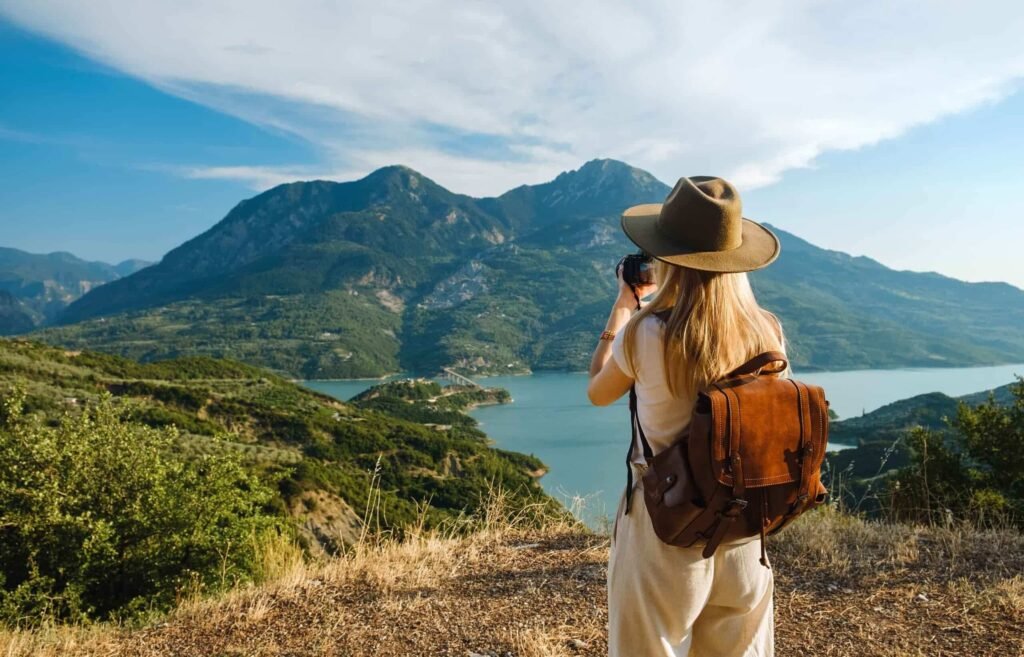
While luxury travel scales new heights, budget travel has become smarter and more accessible than ever. The key to affordable exploration in 2026 is leveraging the sharing economy and timing your trips strategically. Using platforms for home swapping or staying in high-end hostels can significantly reduce accommodation costs. Furthermore, the rise of “budget-luxe” allows travelers to enjoy premium experiences at a fraction of the cost by booking during the shoulder season—the period between the peak and off-peak seasons when weather is still pleasant but prices drop significantly. Way Fare Weekly frequently highlights these windows of opportunity to help our readers maximize their budgets.
Another essential strategy for budget-conscious travelers is mastering the art of “travel hacking” through credit card points and loyalty programs. While this requires careful management and financial discipline, it can lead to free flights, hotel upgrades, and access to airport lounges. A key warning for budget travelers is to always account for hidden fees, especially with low-cost carriers that charge for everything from carry-on bags to seat assignments. Way Fare Weekly knows that by being meticulous with planning and staying flexible with destinations, it is possible to see the world without breaking the bank.
Mastering Travel Hacking with Way Fare Weekly
Points and miles can unlock the world. Way Fare Weekly encourages readers to educate themselves on loyalty programs and credit card rewards to turn everyday spending into future flights and hotel stays. With the right strategy, luxury travel can become a reality on a budget traveler’s wallet.
Finding Value in Shoulder Seasons via Way Fare Weekly
Traveling just before or after the peak season is the ultimate budget hack. Way Fare Weekly finds that you can often get the same weather and amenities for half the price while avoiding the largest crowds. This timing allows for a more relaxed and affordable exploration of top-tier destinations.
Travel Safety and Health in a Post-Pandemic World
Health and safety have remained top of mind for global travelers. In 2026, the industry has standardized many of the hygiene and safety protocols that were once seen as temporary measures. Travel insurance is now considered non-negotiable for any international trip, with policies specifically covering pandemic-related disruptions and medical evacuations. Way Fare Weekly emphasizes that being prepared for the unexpected is the hallmark of a smart traveler. This includes keeping digital copies of all important documents, having a list of local emergency contacts, and staying informed about the political and social climate of your destination.
Cybersecurity is also an increasing concern for travelers. With more people relying on public Wi-Fi to manage their bookings and work remotely, the risk of data theft has grown. Using a Virtual Private Network (VPN) and enabling two-factor authentication on all sensitive accounts is a critical safety measure. Way Fare Weekly warns that physical safety remains important, especially in crowded urban environments. Travelers should remain vigilant against common scams and pickpocketing, using anti-theft bags and keeping their valuables out of sight. By combining digital and physical safety practices, you can focus on enjoying your journey with peace of mind.
Navigating Digital Security with Way Fare Weekly
Your data is as valuable as your passport. Way Fare Weekly advises using encrypted messaging apps and avoiding public charging stations, which can sometimes be used for “juice jacking” data theft. Ensuring your devices are secure is a fundamental part of modern travel preparation.
Health Precautions for Way Fare Weekly Readers
Staying healthy is the foundation of a good trip. Way Fare Weekly suggests consulting a travel clinic before heading to tropical regions and always carrying a basic first-aid kit tailored to your destination’s risks. Preventive care ensures that your vacation isn’t interrupted by avoidable illnesses.
Culinary Tourism and the Quest for Authentic Flavors
Food has always been a primary motivator for travel, but in 2026, culinary tourism has evolved into a deep dive into food systems and heritage. Travelers are no longer satisfied with just eating at famous restaurants; they want to know where their food comes from. This has led to an explosion of interest in farm-to-table experiences, foraging tours, and traditional cooking classes led by local elders. Way Fare Weekly believes that the kitchen is the heart of any culture, and understanding a region’s food is the fastest way to understand its history and people.
Hyper-localism is the dominant trend in the culinary world. This means seeking out ingredients and dishes that are unique to a specific village or valley. It also involves supporting the preservation of heirloom seeds and traditional farming methods that are threatened by industrial agriculture. A key takeaway for foodies is to follow the locals, avoiding restaurants with pictures on the menus in favor of the small, crowded spots where the menu is handwritten or non-existent. Way Fare Weekly suggests that these authentic dining experiences are often the most memorable and affordable parts of any trip.
Engaging in Cooking Classes with Way Fare Weekly
Learning to cook a local dish is the ultimate souvenir. Way Fare Weekly recommends booking classes that include a trip to a local market, allowing you to learn about ingredients from the source. These skills allow you to bring a piece of your journey home to your own kitchen.
The Importance of Sustainable Dining via Way Fare Weekly
Choosing restaurants that source ingredients locally reduces the environmental impact of your meal. Way Fare Weekly supports the farm-to-fork movement as a way to enjoy fresher food while supporting local agriculture. Ethical eating is a core component of being a responsible traveler in 2026.
The Impact of Space Tourism and Ultra-Long-Haul Travel
While still out of reach for the average traveler, space tourism has officially moved from science fiction to a burgeoning industry. Orbital flights and stays at space stations are now occurring with regular frequency, pushing the boundaries of what it means to be a traveler. This “final frontier” is also influencing terrestrial travel, with a renewed interest in “dark sky” destinations where stargazing is at its most spectacular. Way Fare Weekly keeps a close eye on these developments, as the technology developed for space travel often trickles down to improve commercial aviation, leading to more efficient and faster long-haul flights.
Ultra-long-haul travel is also becoming more comfortable. New aircraft designs and cabin configurations are focused on mitigating jet lag and improving passenger well-being on flights lasting over 18 hours. Features like adaptive lighting, increased humidity, and dedicated stretching areas are becoming standard on these marathon routes. The warning for long-haul travelers is to prioritize physical health during the flight, staying hydrated and moving frequently. Way Fare Weekly knows that as the world becomes more connected, the ability to reach the most distant corners of the globe in a single jump is changing the way we plan our international adventures.
Preparing for Ultra-Long-Haul Flights via Way Fare Weekly
Survival on a 20-hour flight requires a strategy. Way Fare Weekly advises packing a specialized comfort kit and following a strict hydration and sleep schedule based on your destination’s time zone. Proper preparation makes the transition between time zones much smoother.
The Future of Space Flight for Way Fare Weekly
While we aren’t all booking moon trips yet, the suborbital market is growing. Way Fare Weekly monitors these high-altitude options for their potential to revolutionize transcontinental travel times in the future. The boundaries of distance are being redefined every year.
Solo Travel and the Empowerment of the Individual
Solo travel has seen a massive surge in popularity, driven by a desire for independence and self-discovery. In 2026, the industry has caught up with this trend, offering more options for individuals who want to explore the world on their own terms. Many hotels are doing away with the “single supplement” fee, and group tours designed specifically for solo travelers are becoming more common. Way Fare Weekly supports this movement, as solo travel often leads to a more profound and personal experience of a destination, forced by the necessity of interacting with locals and making independent decisions.
For many, solo travel is an act of empowerment. It builds confidence, resilience, and a sense of global citizenship. The most important advice for solo travelers is to trust your instincts. While most people you meet will be helpful and kind, it is essential to stay aware of your surroundings and have a plan for your safety. Joining local walking tours or staying in social accommodations like boutique hostels can provide a sense of community while still allowing for independence. Way Fare Weekly believes that whether it’s a solo trek through the Himalayas or a weekend city break in Lisbon, the solo journey is one of the most rewarding ways to experience the world.
Solo Safety Tips from Way Fare Weekly
Being alone doesn’t mean being lonely or unsafe. Way Fare Weekly suggests sharing your live location with a trusted friend and always having a “dummy” wallet with a small amount of cash to hand over in emergencies. Confidence and preparation are your best safety tools.
Building Confidence through Independent Travel via Way Fare Weekly
Solo travel is the ultimate self-development tool. Way Fare Weekly encourages those who are hesitant to start with short, local trips before attempting a major international solo expedition. Each journey solo strengthens your ability to navigate the world and yourself.
Family Travel and Multi-Generational Journeys
Family travel has evolved to become more inclusive and adventurous. Multi-generational trips, where grandparents, parents, and children travel together, are a major trend in 2026. These journeys are focused on creating shared memories and strengthening family bonds across different age groups. Way Fare Weekly recommends choosing destinations that offer a variety of activities to suit different energy levels and interests, such as a villa in Tuscany or a safari in South Africa. The key is to balance group activities with plenty of downtime and individual freedom.
Educational travel is also a priority for families. Parents are looking for experiences that go beyond the classroom, exposing their children to different cultures, languages, and environments. This might include volunteering at a local school, participating in a marine biology workshop, or learning traditional crafts. The major takeaway for family travelers is to embrace flexibility. Way Fare Weekly reminds us that traveling with children or seniors requires a slower pace and more careful planning, but the joy of seeing the world through multiple perspectives is worth every bit of the extra effort.
Planning for All Ages with Way Fare Weekly
The best family trips have something for everyone. Way Fare Weekly suggests a “hub and spoke” model where you stay in one central location and take day trips that cater to different family members’ interests. This reduces the fatigue associated with constant transit.
Incorporating Education into Fun via Way Fare Weekly
Kids learn best when they don’t realize they’re learning. Way Fare Weekly encourages families to visit interactive science centers and historical sites that offer hands-on experiences rather than just static displays. These moments create lifelong interests in young minds.
The Role of Adventure Travel and Physical Challenge
Adventure travel is no longer just for adrenaline junkies; it has become a way for people to test their limits and reconnect with the natural world. From high-altitude trekking to long-distance cycling and open-water swimming, travelers are seeking out physical challenges as a core component of their vacations. Way Fare Weekly notes that this trend is driven by a desire for “active recovery”—the idea that physical exertion can be a form of mental relaxation. These trips often take place in some of the world’s most pristine and remote environments, emphasizing the importance of physical fitness and preparation.
Safety is paramount in adventure travel. A critical warning is to never underestimate the power of nature. Engaging in high-risk activities requires the right equipment, proper training, and often the guidance of professional experts. Way Fare Weekly advises that travelers should also be aware of the environmental impact of their adventures, following “leave no trace” principles to ensure that these wild places remain undisturbed. The sense of accomplishment that comes from reaching a mountain summit or completing a multi-day trek provides a level of personal satisfaction that traditional sightseeing cannot match.
Preparing for High-Altitude Treks with Way Fare Weekly
Altitude is a serious factor that requires acclimation. Way Fare Weekly suggests spending at least two days at a medium altitude before attempting higher peaks to avoid altitude sickness. Physical preparation in the months leading up to the trip is equally vital.
The Gear You Need via Way Fare Weekly
Quality gear can be the difference between a great trip and a disaster. Way Fare Weekly advises investing in moisture-wicking layers and broken-in hiking boots before you depart on any physical expedition. Trusting your equipment is a key part of your safety strategy.
Cultural Preservation and the Ethics of Photography
As we travel more frequently and to more remote locations, the ethics of our interactions become increasingly important. In 2026, there is a growing conversation around cultural preservation and the responsible use of photography. Travelers are being encouraged to ask for permission before taking photos of people and to be mindful of how they represent cultures on social media. Way Fare Weekly advocates for a respectful approach that prioritizes the dignity and privacy of local communities over the desire for a “perfect” photo for an online feed.
This ethical approach extends to how we consume culture. Supporting traditional arts and crafts by buying directly from the makers, attending local festivals with respect for their sacred nature, and learning about the history and struggles of the people we visit are all part of being a responsible traveler. The key takeaway is that we are guests in someone else’s home. Way Fare Weekly believes that by approaching every destination with humility and a desire to learn, we can ensure that our presence is a positive force. The most valuable souvenirs are the perspectives we gain.
Respecting Sacred Sites via Way Fare Weekly
Not every place is a backdrop for a selfie. Way Fare Weekly reminds travelers to follow local dress codes and silence phones when visiting temples, churches, or other sites of religious or historical significance. Respecting these boundaries ensures these sites remain sacred for the local community.
The Social Media Impact on Way Fare Weekly
Viral photos can lead to the sudden influx of thousands of tourists. Way Fare Weekly encourages “slow social media,” where you share photos only after you leave a location and avoid geotagging specific, fragile spots. Protecting these locations from overexposure is a collective responsibility.
Urban Tourism and the Smart Cities of the Future
Our cities are becoming smarter, greener, and more traveler-friendly. In 2026, urban tourism is defined by seamless integration, with public transport systems that are fully digital and powered by renewable energy. Cities like Singapore, Copenhagen, and Tokyo are leading the way in creating urban environments that are as pleasant for visitors as they are for residents. Way Fare Weekly highlights these smart cities as models for the future of urban life, where technology is used to reduce congestion, improve air quality, and enhance the overall quality of life for everyone.
Green spaces are also becoming a central feature of urban design. “Forest cities” and urban parks are being integrated into the heart of metropolitan areas, providing a much-needed connection to nature for city dwellers and tourists alike. Travelers should take advantage of these urban oases, which often house world-class museums, galleries, and performance spaces. Way Fare Weekly finds that exploring a city on foot or by bike remains the best way to discover its hidden corners and vibrant neighborhoods. Urban evolution provides a fascinating glimpse into the future of human society.
Navigating Megacities with Way Fare Weekly
Modern apps can tell you which subway car is the least crowded. Way Fare Weekly suggests using these real-time tools to make navigating massive urban landscapes much more manageable and less stressful. Efficiency in transit allows for more time spent enjoying the sights.
Finding Hidden Green Spaces via Way Fare Weekly
Even the densest cities have secret parks. Way Fare Weekly recommends looking for “pocket parks” and rooftop gardens that offer a quiet escape from the noise of the city streets. These urban sanctuaries are perfect for a midday break and a moment of reflection.
The Psychology of Travel and Mental Well-being
Travel has long been recognized for its ability to reduce stress and improve mental health, but in 2026, this is being approached with more scientific rigor. “Transformation travel” is a trend where journeys are specifically designed to foster psychological growth and emotional healing. This might involve silent retreats, forest bathing, or guided meditation in natural settings. Way Fare Weekly recognizes that the mental health benefits of travel are one of its most important aspects, providing a necessary break from the pressures of modern life and a chance to gain new perspectives on personal challenges.
The psychology of travel also involves the concept of “post-vacation glow”—the period of increased happiness and reduced stress that follows a trip. To maximize this effect, travelers are encouraged to integrate elements of their travel experiences into their daily lives, such as maintaining a new mindfulness practice. A key warning is to avoid “travel burnout”, which can happen when an itinerary is too packed or when the stress of transit outweighs the joy of the destination. Way Fare Weekly suggests that by prioritizing rest, you can ensure that your travels leave you feeling refreshed and inspired.
The Benefits of Forest Bathing for Way Fare Weekly
Spending time in nature has scientifically proven mental health benefits. Way Fare Weekly encourages travelers to spend at least one day of their trip in a natural setting to lower cortisol levels and improve mood. Nature is the ultimate remedy for the stresses of urban life.
Practicing Mindfulness via Way Fare Weekly
Travel can be stressful. Way Fare Weekly recommends using simple breathing exercises and grounding techniques to stay present during busy travel days or unexpected delays. Staying calm in the face of travel hiccups ensures that your overall experience remains positive.
Future Outlook: What Lies Beyond 2026
As we look toward the end of the decade, the future of travel remains bright and full of possibility. We expect to see further advancements in sustainable aviation, the continued growth of remote work communities, and an even greater emphasis on authentic, community-based tourism. Way Fare Weekly will continue to be at the forefront of these trends, providing the insights and advice you need to navigate this ever-changing landscape. The world is becoming more accessible, but it is also becoming more precious, requiring a more thoughtful and responsible approach to exploration.
The ultimate goal of travel is to expand our horizons and deepen our understanding of the world and ourselves. Whether you are a budget backpacker, a luxury seeker, or a digital nomad, the opportunities for discovery are endless. The most important takeaway for any traveler is to stay curious and open-minded. Way Fare Weekly believes the world is a vast and beautiful place, filled with stories waiting to be told and people waiting to be met. By traveling with intention, respect, and a sense of adventure, you can turn every journey into a life-changing experience.
Anticipating New Travel Hubs via Way Fare Weekly
As infrastructure improves, new regions will open up to global tourism. Way Fare Weekly predicts that parts of Central Asia and West Africa will become major destinations for adventurous travelers in the coming years. Being an early visitor to these regions offers a raw and authentic experience.
The Commitment to Sustainability for Way Fare Weekly
The fight against climate change will continue to shape how we travel. Way Fare Weekly remains committed to highlighting eco-friendly innovations and helping our readers make choices that protect the planet for the explorers of tomorrow. Our responsibility to the earth is a permanent part of our mission.
Final Thoughts for the Way Fare Weekly Community
The journeys we take define us, shaping our worldviews and leaving indelible marks on our souls. As we move through 2026, the Way Fare Weekly community remains committed to the idea that travel is a force for good. It breaks down barriers, fosters empathy, and reminds us of our shared humanity. We encourage you to take the leap, to explore the unknown, and to do so with a heart full of respect for the planet and its people. Way Fare Weekly is honored to be your guide in this ongoing exploration of our beautiful world.
Smart travel is about more than just the right gear or the best apps; it’s about the spirit in which we move through the world. It’s about choosing the sustainable option even when it’s less convenient, seeking out the hidden gem even when it’s off the beaten path, and always remembering that the journey itself is the destination. Way Fare Weekly will always be here to provide the tips and tricks you need to make every trip unforgettable. Thank you for being part of the Way Fare Weekly family, and here is to many more years of incredible, meaningful, and transformative exploration. Your next great adventure is just over the horizon, and we are ready to help you find your way with Way Fare Weekly.
Join the Global Conversation on Way Fare Weekly
Your experiences help others travel better. Way Fare Weekly encourages our readers to share their stories and tips, creating a global community of informed and passionate travelers. Together, we can make the world feel a little smaller and a lot more welcoming.
Constant Updates from Way Fare Weekly
The world of travel moves fast. Way Fare Weekly is dedicated to providing the most current information and trends to ensure your travels are always safe, enjoyable, and meaningful. Check back often for the latest destination guides and travel hacks from the team at Way Fare Weekly. Happy travels!
About The Author
