
The world of travel in 2026 is no longer defined by the destinations we visit, but by the intentionality of how we move through them. At Way Fare Weekly, we believe that to travel today is to engage in a sophisticated blend of digital precision and raw discovery, where technology serves as a silent engine and sustainability is a measurable mandate. This year, the industry has reached a tipping point: we have transitioned from “Search” to “Action” and from “Preservation” to “Regeneration.”
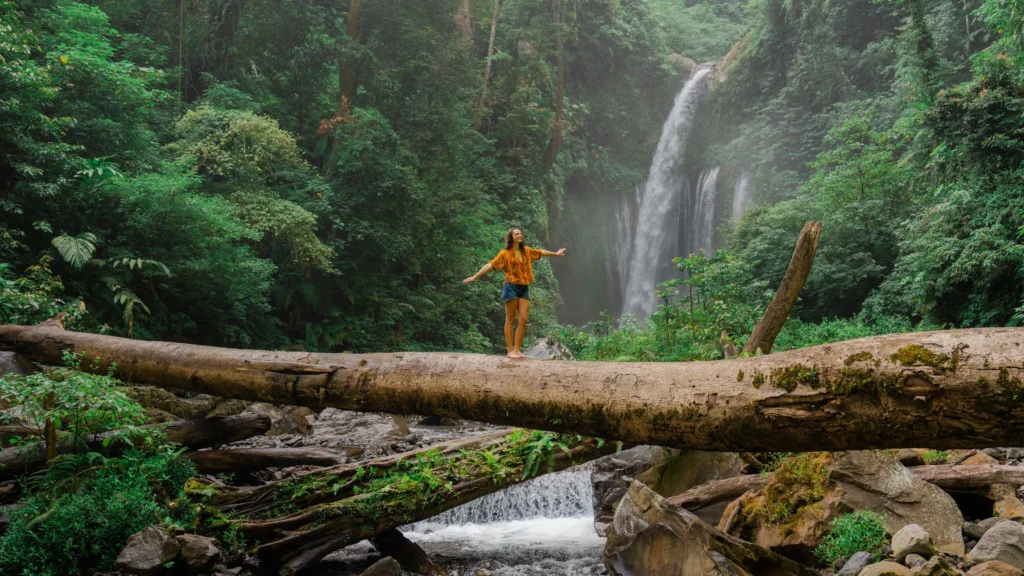
The Strategic Evolution: From Sustainability to Regeneration
The global travel industry has entered a pivotal new phase in 2026, shifting from traditional sustainability to a more ambitious model known as regenerative tourism. According to recent insights from Way Fare Weekly, the focus is no longer limited to simply reducing environmental harm but has expanded into actively improving the destinations we visit.
Understanding the Regenerative Shift
Regeneration is about restoration. Instead of just “offsetting” carbon, travelers are now seeking out operators that actively rebuild ecosystems. In 2026, this isn’t just a niche; it’s a structural shift. Whether it’s joining a rewilding project in Sicily, helping plant mangroves in Belize, or supporting coral reef restoration in the Maldives, the goal is a net-positive outcome for the local environment.
The Rise of Bio-Inclusive Stays
This movement is particularly visible in the rise of “Bio-Inclusive” stays. We are seeing a surge in accommodations that do more than just reduce their footprint. In regions like the “Green Heart” of Italy, new boutique estates are integrating permaculture into the guest experience. Travelers are no longer just passive guests; they are active participants in local biodiversity projects, ensuring that their stay leaves the soil richer and the community stronger.
Agentic AI: The End of Traditional Booking
The most profound technological shift we have documented is the transition from “Search” to “Action” via Agentic AI. By 2026, hospitality and travel brands operate in an environment where discovery, comparison, and booking are mediated by intelligent agents acting on behalf of guests.
The Transition from Search to Action
In 2026, we have moved beyond basic chatbots to Autonomous AI Agents. These systems don’t just find a flight; they evaluate options against your stress threshold, loyalty status, and even real-time weather patterns. These agents have the capability to transact in real-time, completing orders and rebooking disrupted travel plans before you even realize a delay has occurred.
Ambient Intelligence in Hospitality
Furthermore, ambient intelligence is becoming standard in the hospitality sector. Hotels are utilizing “data fabrics” to ensure a frictionless arrival. At Way Fare Weekly, we call this the “Invisible Concierge”—a system that ensures your room’s lighting, temperature, and digital workspaces are pre-set to your known preferences the moment you check in via your digital wallet.
The 2026 Destination Report: “Coolcations” and Quiet Escapes
Overtourism in iconic hubs has forced a global re-evaluation of the traditional “must-see” list. Way Fare Weekly identifies that 2026 is the year of the “Coolcation”—travelers fleeing record-high temperatures in traditional hotspots for the temperate climates of the North.
The Coolcations Movement
Travel to Scandinavia and the North Atlantic has skyrocketed by 35% this year. Norway, Finland, and Iceland are now the premier summer retreats for those seeking “hushpitality”—a blend of ultra-high-end service and profound, natural silence. Alaska and the Canadian Rockies have similarly seen a surge as travelers prioritize glacier-carved landscapes over crowded beaches.
Exploring Non-Viral Destinations
Secondary cities are also seeing a massive surge. Instead of the “Big Three” capitals, Way Fare Weekly advocates for “Non-Viral Destinations.” Countries like Laos, Kyrgyzstan, and Mongolia are enjoying a travel boom as globetrotters seek out lesser-known corners of the world where they can explore more responsibly and authentically.
The Digital Nomad Frontier: 2026 Rankings
Remote work has matured into a global economic pillar. Over 45 countries now offer specialized Digital Nomad Visas, and the competition to attract remote talent is fierce. Way Fare Weekly identifies a clear shift toward “Value Hubs” that offer a balance of safety, internet speed, and cost of living.
New Zealand and Malaysia Lead the Way
New Zealand currently ranks as the top destination for 2026, cited for its high safety levels and near-total internet coverage. In Asia, Malaysia remains a powerhouse, offering a High Proficiency English environment and a low cost of living with a monthly income requirement of approximately $2,000.
Spain’s Rural Repopulation Strategy
Spain continues to be a favorite by pivoting its digital nomad strategy toward “rural repopulation.” Small inland villages now offer high-speed fiber optics and tax incentives for nomads willing to live outside major hubs like Madrid or Barcelona. This allows travelers to experience the authentic “pueblo” life while contributing to local economic health.
Niche Movements: Set-Jetting and Ancestry Travel

Way Fare Weekly tracks two psychological drivers that are heavily influencing 2026 itineraries: Set-Jetting and Ancestry Travel. These trends reflect a desire for storytelling and personal relevance in every trip taken.
Media Inspired Explorations
“Set-jetting”—travel inspired by movies and TV shows—has reached new heights. Whether it’s the luxury resorts of Thailand featured in the latest season of The White Lotus or the dramatic landscapes of New Zealand, travelers are seeking the physical reality of their favorite cinematic worlds.
Walking in the Footsteps of Forebears
Ancestry Travel is also on the rise, fueled by the accessibility of genealogical research. Travelers are increasingly looking to walk in the footsteps of their forebears, visiting the specific cities or villages their grandparents hailed from. This “heritage tourism” is driving significant growth in West Africa, particularly Ghana, and across Eastern Europe.
The Hushpitality Trend: Wellness in 2026
After years of sensory overload, 2026 is the year of the Digital Detox. The concept of “hushpitality” focuses on the luxury of silence. High-end resorts are now offering “no-tech” zones where signals are jammed to ensure a total mental reset.
The Luxury of Silence
Seeking calm—even moments of silence—signals a change in why people are traveling. Whether it’s a silent retreat in the mountains or a “sleep tourism” package designed to optimize circadian rhythms, wellness in 2026 is about restorative silence. At Way Fare Weekly, we see this as the ultimate luxury in a hyper-connected world.
Astrotourism and Dark Skies
Travelers are also looking to the skies. With a total solar eclipse sweeping across Europe in August and 2026 expected to be a prime year for the Northern Lights, demand for “Astrotourism” is soaring. Tourists are seeking locations with minimal light pollution, allowing for a profound reconnection with the universe.
The Smart Traveler’s Budget: 2026 Travel Hacking
Despite global inflation, Way Fare Weekly remains dedicated to the strategic explorer. We recommend a shift in how travelers perceive “seasons” and the adoption of “Micro-Retirements.”
Off-Peak “Time-Tripping”
2026 is the year of the “hidden season.” Travelers are increasingly looking beyond traditional travel windows in favor of lower prices and fewer crowds. This means visiting Japan in the golden autumn or taking a safari in Zimbabwe during the dry season, where animal sightings are at their peak.
The Rail Revival
Overland travel continues to gain pace, with more travelers choosing epic rail journeys over short-haul flights. In 2026, train travel is being embraced not just as a greener option, but as a core part of the adventure. We have seen a 25% year-on-year increase in rail bookings, particularly across Europe and the Balkans.
Culinary Tourism: The Hyper-Local Revolution
Food is the soul of any journey. In 2026, Way Fare Weekly observes that “Hyper-Localism” is the rule. Travelers are seeking out ingredients and dishes unique to a specific village or valley.
Beyond Michelin Stars
Michelin stars are being outpaced by “Foraging Workshops” and community-led dining. Whether it’s a hot-sauce making class in a local kitchen in Nevis or a zero-waste fine dining experience in Berlin, the focus is on provenance. Travelers want to know the story behind the plate and the hands that prepared it.
Transparency and Sustainable Spirits
Sustainable spirits are also on the rise. Zero-waste distilleries and local craft beverage trails are becoming major draws for the eco-conscious foodie. The focus is on transparency—knowing exactly where the ingredients came from and the story of the artisan who prepared it.
Health and Cyber-Safety for the Modern Voyager
As we become more reliant on eSIMs and digital wallets, the risks have evolved significantly. The modern traveler must prioritize digital safety as much as physical safety.
Mandatory Cyber-Security Protocols
Way Fare Weekly warns that travel-specific VPNs are now mandatory for the modern explorer. “Juice jacking” at public USB charging stations remains a significant risk; we recommend always using a personal power bank or a data-blocking cable to ensure your data stays private.
Parametric Insurance Coverage
Additionally, insurance has entered the age of “Parametric Coverage.” In 2026, many policies pay out automatically based on data triggers—such as a four-hour flight delay. This provides a layer of security that allows travelers to navigate disruptions with minimal stress and maximum financial protection.
Final Thoughts: The Way Fare Weekly Way
As we look toward the remainder of 2026, one thing is clear: travel is an active, intentional choice. It is no longer enough to simply “go”; we must go with purpose. Whether you are a digital nomad setting up a remote office in Valencia or a soul-seeker looking for the silence of the Norwegian fjords, your journey is a story you are co-authoring with the planet.
Way Fare Weekly is more than a guide; we are your partner in this new age of discovery. We invite you to move beyond the screen, trust your intuition even when the AI is perfect, and embrace the beautiful, unpredictable reality of global exploration.
Safe travels, and may you find your way with Way Fare Weekly.
Stay Connected with Way Fare Weekly
The world of travel moves fast. Way Fare Weekly is dedicated to providing the most current information to ensure your travels are always safe, enjoyable, and meaningful. Check back often for the latest destination guides and travel hacks. Together, we can make the world feel a little smaller and a lot more welcoming for everyone.
About The Author
